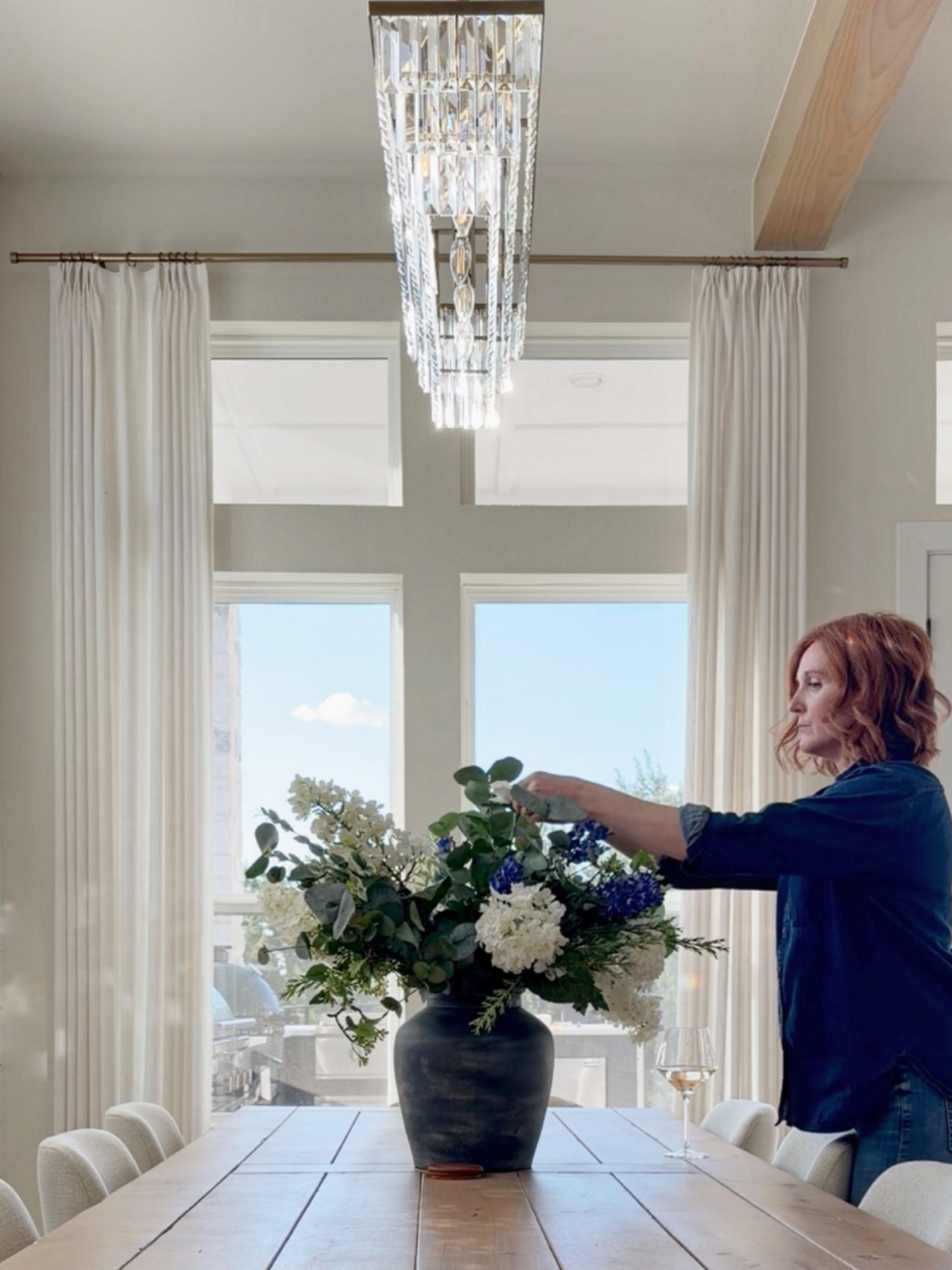
Beautiful isn't enough. Your home should make life easier.
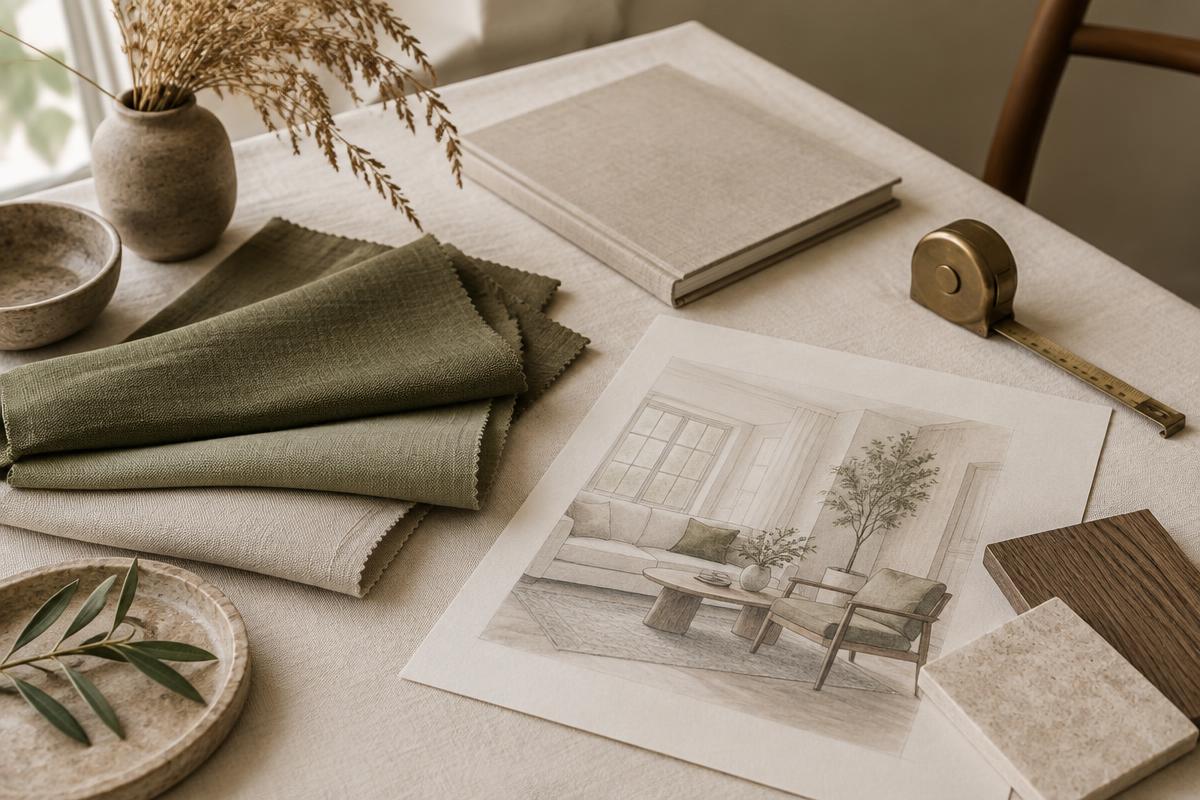
A home built on five quiet convictions.
Convictions are the what. These are the how.
The Roadmap
Two lists. A backlog of everything the house might ever need, written down and unranked. A roadmap of the few things committed to this year. Rooms stay empty on purpose.
One-Way Doors
Sort every decision by whether it can be undone. Paint, rugs and layout are reversible, so they get an afternoon. Tile, plumbing and walls are not, so they get months.
Pilot First
Nothing is bought until it has been lived with. Tape on the floor, boxes where the island will go, a paint sample watched at 7am and again at 9pm.
Not Everything Is a Key Hire
A few things carry a room and deserve top of market. Everything else is swappable and should be bought cheaply, without sentiment. The same is true of the people you hire.
Raise the Bar
Anything new has to beat what it replaces. In an empty room, it has to beat the empty room. Four questions decide it: does it solve a real problem, does it make everyday life easier, will I love it in five years, does it earn its place.
Design for the Behaviour You Have
Watch where friction actually collects, then move the object rather than trying to fix the habit. Keys don't live on the hook because the hook is in the wrong place.